The Complete Moving Supplies Checklist (Everything You'll Need)
Skip the panicked mid-pack runs to the store. This is the full, room-by-room supply list: boxes, tape, wrap, blankets, tools. Plus where to find cheap or free boxes and what to rent instead of buy.
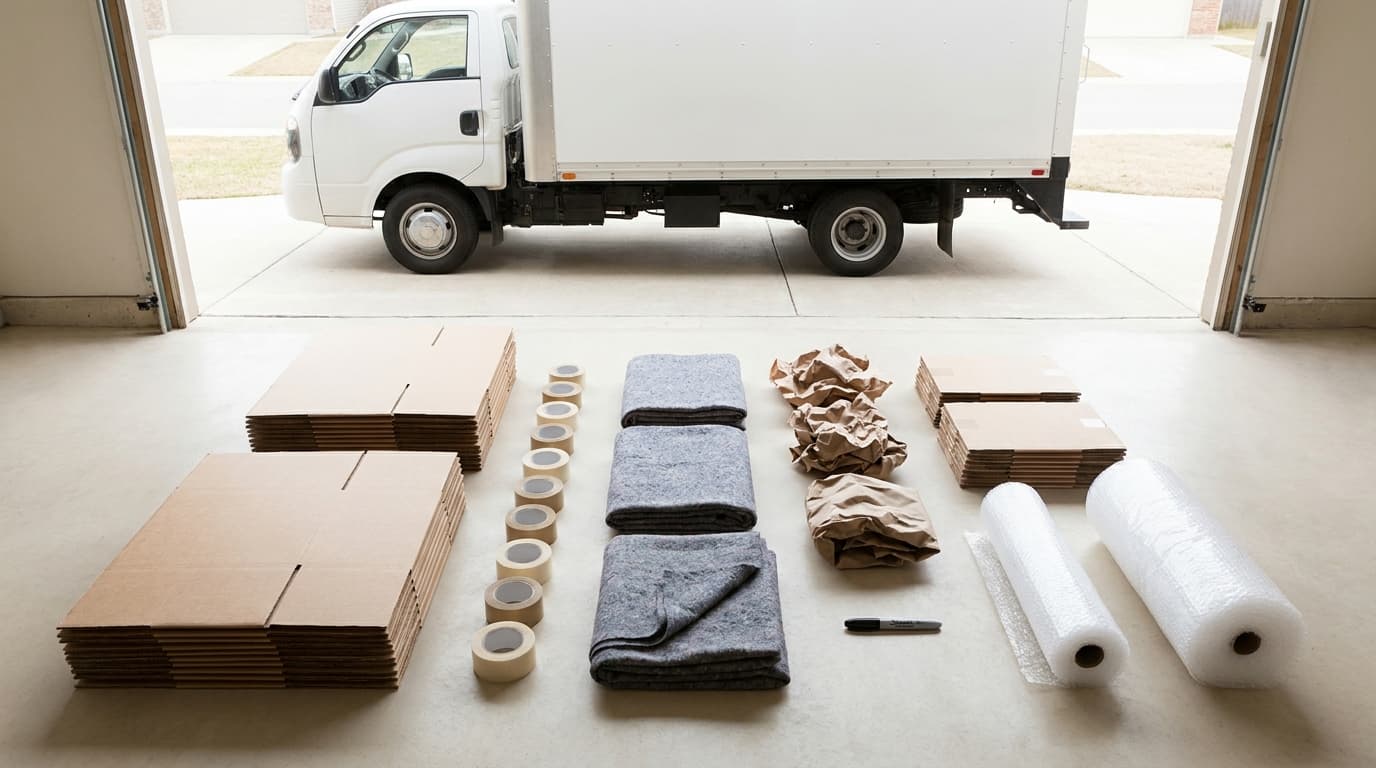
Nothing derails a packing day like realizing, at 9 p.m. with half the kitchen still on the counter, that you're out of tape. Or boxes. Or the one marker that hadn't gone dry. Running short mid-pack means a store trip you don't have time for, and it's the single most common way a smooth move turns into a stressful one.
The fix is boring but effective: buy the essentials up front, in slightly larger quantities than you think you need. This guide is the complete list, grouped by category, with a rough "how many per room" rule for boxes and a note on what you should rent rather than buy. There's also a scannable master checklist near the end you can work straight off of.
The short version
If you only skim one section, stock these before you pack a single box:
- Boxes in a few sizes: small, medium, large, plus wardrobe and dish-pack boxes for the tricky stuff. Budget roughly 10–15 boxes per room.
- Packing tape and a tape gun. Two or three rolls minimum. The gun is worth it.
- Packing paper and bubble wrap for dishes, glass, and anything fragile.
- Permanent markers and labels so every box says what's inside and where it goes.
- Furniture blankets, stretch wrap, and a mattress bag to protect the big stuff in the truck.
- Straps or rope, and a hand truck/dolly, most of which you can rent from the truck company instead of buying.
- Basic tools and a box cutter for disassembly and unpacking.
- A clearly-marked first-day essentials box you load last and open first.
Everything below is just that list, in detail, with the reasoning.
Boxes: the foundation of the whole move
Boxes are where most people under-buy, then over-pay by grabbing a few at a time from a hardware store. Get your headcount right up front.
A workable rule of thumb is 10–15 boxes per room for a normally furnished home, weighted toward small and medium sizes. Kitchens and home offices run higher; a spare bedroom that's mostly furniture runs lower. Here's how the sizes break down:
| Box type | Best for | Rough count per room |
|---|---|---|
| Small (1.5 cu ft) | Books, canned goods, tools, dense/heavy items | 4–6 |
| Medium (3 cu ft) | Kitchenware, toys, small appliances, most "stuff" | 4–6 |
| Large (4.5 cu ft) | Bedding, pillows, lampshades, light bulky items | 2–4 |
| Wardrobe | Hanging clothes (has a built-in bar) | 1–3 per closet |
| Dish-pack (dish barrel) | Dishes, glassware, stemware (thick, double-walled) | 1–2 per kitchen |
The counter-intuitive rule: heavy things go in small boxes, light things go in large boxes. A large box full of books is a back injury and a blowout waiting to happen. Wardrobe boxes let you move clothes on their hangers straight from the closet, and dish-pack boxes have reinforced walls made for fragile kitchen items. Both are worth the extra cost for the rooms that need them.
Where to find cheap or free boxes
You don't have to buy every box new. In rough order of value:
- Liquor and grocery stores. Liquor boxes are small, sturdy, and often have dividers perfect for glasses. Ask the service desk when their next delivery lands.
- Buy Nothing groups, Craigslist "free," and Facebook Marketplace. People who just moved are usually desperate to get boxes out of their garage.
- Your workplace. Copy-paper boxes are uniform, stackable, and have lids. Excellent for books and files.
- Big-box and home-improvement stores sell new boxes in every size, and many rental-truck locations sell moving kits at the counter.
One caution: inspect free boxes and skip anything damp, greasy, or pest-exposed. Mixing free small boxes with a few purchased dish-packs and wardrobes is the sweet spot for cost and safety.
Tape, wrap, and cushioning
Boxes are only as good as what holds them shut and what protects what's inside.
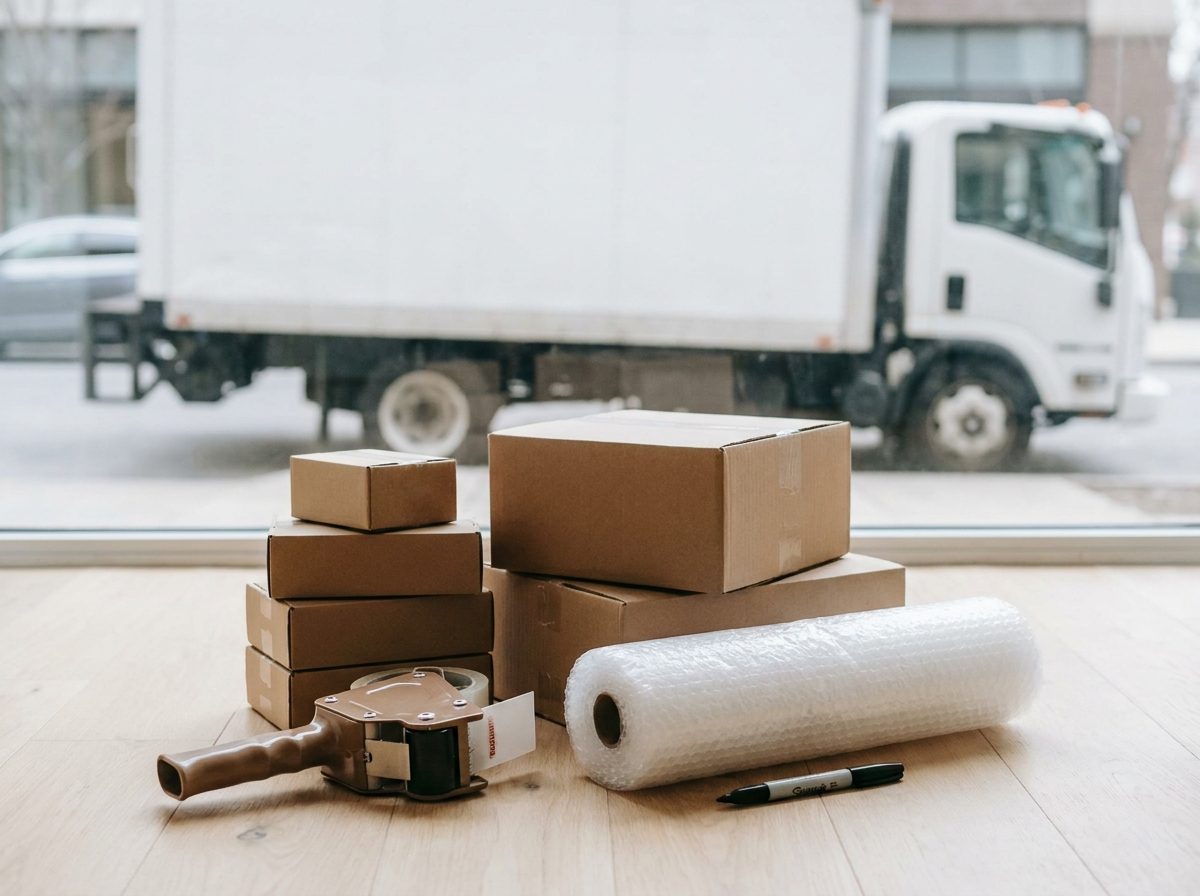
- Packing tape. Get the wide (about 2") clear or brown shipping tape, not thin office tape and definitely not masking tape (it lets go). Plan on two to three rolls for an apartment and more for a house.
- A tape gun (dispenser). This is the one accessory people skip and then regret. It roughly triples your sealing speed and saves your fingernails. Cheap and reusable.
- Packing paper. Clean newsprint (unprinted, so it won't smudge ink onto your dishes) for wrapping plates, glasses, and filling gaps so contents don't shift.
- Bubble wrap for genuinely fragile items: electronics, framed art, ceramics, anything with a screen. Buy a roll; you'll use more than you expect.
Old towels, linens, and clothing double as free cushioning. Wrap them around breakables and you pack two things at once. Just don't rely on them entirely; dedicated paper and bubble wrap earn their keep on the truly fragile boxes.
Labeling: markers and a system
The difference between an unpacking week and an unpacking month is labeling.
- Permanent markers. Get a two- or three-pack, because they wander off and dry out. Label the top and at least one side of every box so you can read it when boxes are stacked.
- Labels or colored tape (optional but great). Assign each room a color and slap a strip on every box for that room. On move-in day, helpers can sort boxes to the right room without asking you a single question.
Write the destination room and a short contents note on every box, like "KITCHEN: pots, mixing bowls." Mark fragile boxes clearly on all sides. This one habit pays off more than almost any tool on this list.
Protecting the big stuff for the truck
Boxes handle your small items; your furniture and appliances need their own gear, and this is where knowing what to rent saves real money (more on that below).
- Furniture blankets (moving pads). Thick quilted pads that wrap dressers, tables, headboards, and appliances so they don't gouge each other on the highway. A full house needs a dozen or more, which is exactly why you rent these.
- Stretch (shrink) wrap. Cling-film on a giant roll. It holds drawers and cabinet doors shut, binds blankets onto furniture, and bundles awkward items, all with no tape residue.
- Mattress bags. Plastic sleeves that keep mattresses clean and dry in the truck and in storage. Cheap insurance: buy one per mattress.
- Moving straps and rope. Used to tie your load to the truck's anchor points so nothing shifts in transit. Ratchet straps beat knots for most people. See our guide to loading a moving truck for how to use them.
For heavy appliances specifically, blankets and straps aren't optional. A fridge or washer can crush a foot or tip over fast. Our guide to moving large appliances covers doing it safely.
Tools, dollies, and the odds and ends
The last category is the stuff that makes moving day physically possible.
- A hand truck or dolly. An appliance dolly (with a strap) for the fridge and washer; a flat furniture dolly for heavy boxes and dressers. It saves your back more than anything else, and it's another rental, not a purchase.
- Basic tools for disassembly: a screwdriver set, an adjustable wrench, and an Allen/hex key set for flat-pack furniture. Bag the screws and tape them to the piece they came from so reassembly isn't a scavenger hunt.
- A box cutter or heavy-duty scissors. You'll want at least two, because one always disappears mid-move.
- Work gloves, and furniture sliders if you're dragging heavy pieces across hard floors.
- A basic cleaning kit (trash bags, paper towels, all-purpose spray, and a broom) for the old place and the new one.
Don't over-buy: what the rental company rents
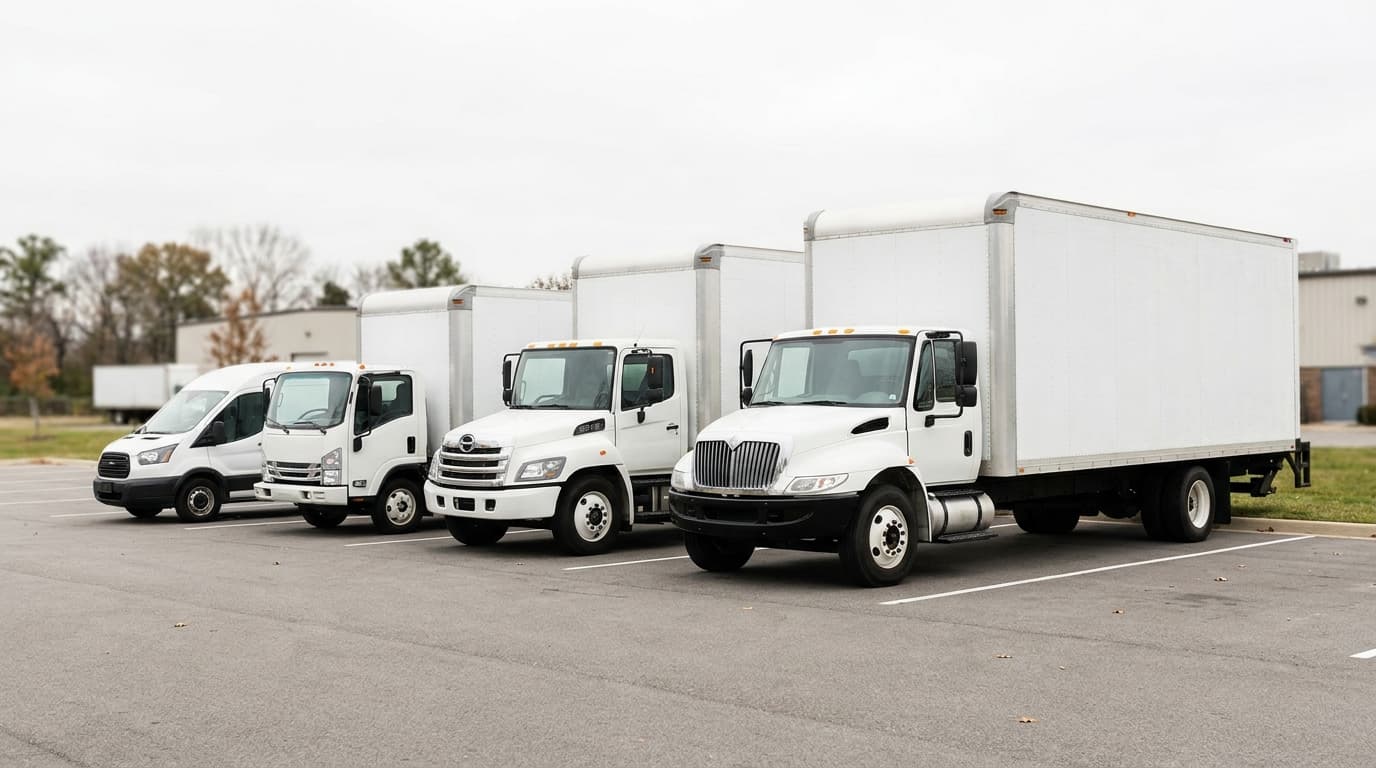
Here's the money-saver most first-timers miss. When you rent your moving truck, the same company will usually rent the bulky equipment too, and there's no reason to buy it for a one-time move:
- Furniture blankets / moving pads: rented by the dozen for a few dollars a bundle.
- Hand trucks and furniture dollies: appliance dollies and four-wheel dollies, per-day.
- Straps and tie-downs: often bundled with the dolly or added cheaply.
Buying a full set of blankets and a good appliance dolly can cost more than the truck rental itself, and then you own equipment you'll use once. Add these to your truck reservation instead. Buy the consumables (boxes, tape, paper, bubble wrap, markers, mattress bags) because you use them up. Rent the durables you'd otherwise store in a garage forever.
The master supply checklist
Print this or pull it up on your phone at the store. For a version you can check off alongside the rest of your move, use our interactive moving checklist.
- Small boxes (4–6 per room)
- Medium boxes (4–6 per room)
- Large boxes (2–4 per room)
- Wardrobe boxes (1–3 per closet)
- Dish-pack / dish-barrel boxes (1–2 per kitchen)
- Packing tape (2 to 3+ rolls)
- Tape gun / dispenser
- Packing paper (unprinted newsprint)
- Bubble wrap
- Permanent markers (2–3)
- Labels or colored tape (one color per room)
- Furniture blankets / moving pads (rent these)
- Stretch / shrink wrap
- Mattress bag (one per mattress)
- Straps and rope / ratchet straps (rent these)
- Hand truck / appliance dolly (rent this)
- Furniture dolly (rent this)
- Screwdriver, wrench, and hex-key set
- Box cutter and scissors (at least two)
- Work gloves and furniture sliders
- Cleaning kit and trash bags
- First-day essentials box (see below)
The first-day essentials box
Pack one box, brightly labeled "OPEN FIRST," with everything you'll need in the first 24 hours so you're not tearing through twenty boxes at midnight. Load it last so it comes off the truck first. A good essentials box holds:
- Toilet paper, hand soap, paper towels, and a small trash bag
- A basic toolkit and the box cutter
- Phone chargers and a power strip
- Medications, toiletries, and a change of clothes per person
- Bedding for the first night, or at least sheets and a pillow
- Snacks, water, coffee, and a few disposable plates and utensils
- Important documents, keys, and the truck rental paperwork
If you're building your overall timeline, our moving timeline checklist shows exactly when to buy supplies (about two weeks out) and when to start packing so this box is the last thing you seal.
The bottom line
Supplies are cheap compared to the time and stress of running out. Buy your boxes, tape, paper, and markers up front and in slightly generous quantities. And rent the blankets, dollies, and straps from your truck company rather than buying gear you'll use once. Label everything, pack a first-day essentials box, and you've removed most of what makes moving day chaotic.
Ready for the next step? Add the equipment to your reservation when you rent your truck, and keep everything on track with our interactive moving checklist.
Not sure which truck to book?
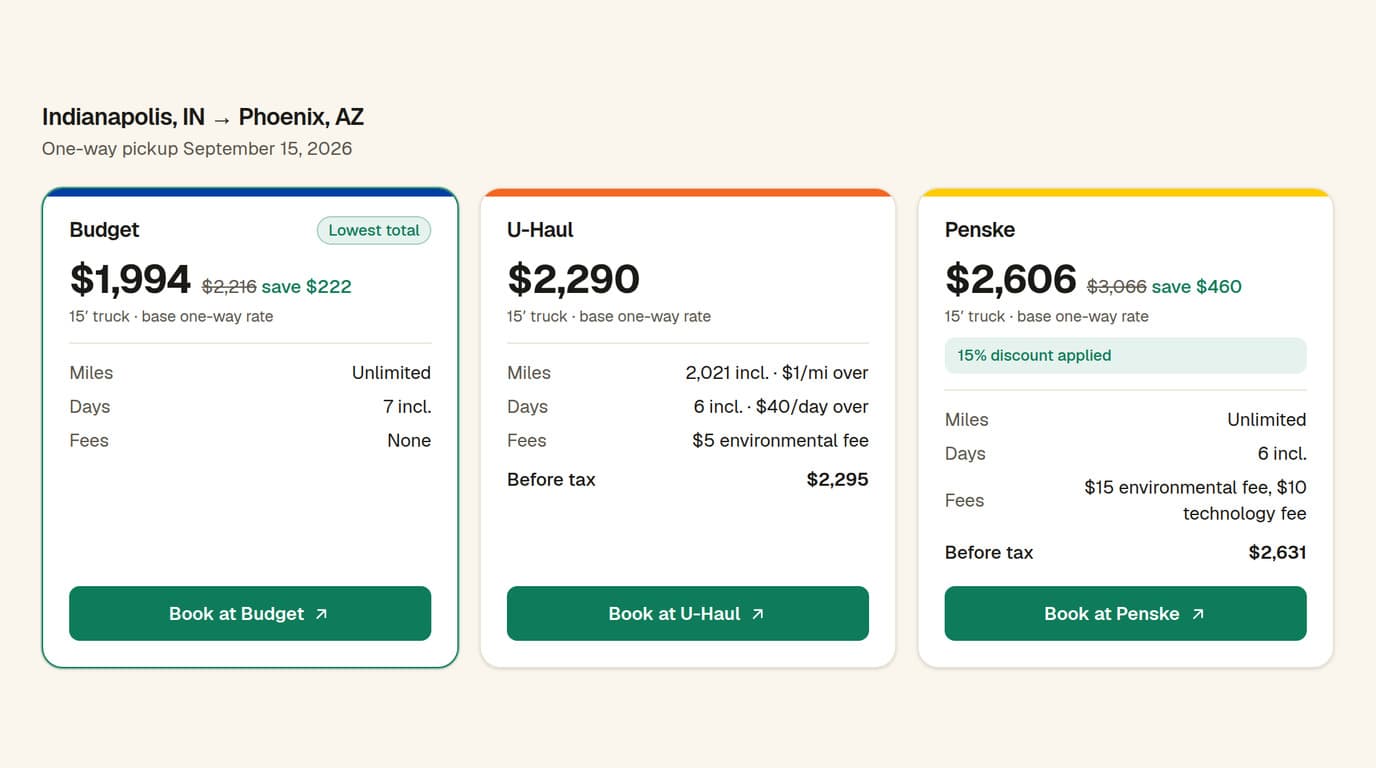
Answer two quick questions and get a size recommendation, plus a side-by-side of how U-Haul, Penske, and Budget stack up.