Moving Truck Rental Requirements: Age, License, and What to Bring
Before you book, know what the counter will actually ask for. Here's the plain-English rundown of the age limits, license rules, and payment requirements for renting a moving truck, plus the good news that no special license is needed.
If you've never rented a moving truck, the requirements can feel like a mystery. Do you need a special license to drive something that big? Are you old enough? Will they take your debit card? It's easy to imagine showing up at the counter, only to be turned away over a detail nobody told you about.
The reassuring truth is that renting a moving truck is far less demanding than most first-timers fear. The requirements are short, and you almost certainly already meet them. This guide walks through exactly what you need (age, license, payment, and the physical documents to bring) so there are no surprises on pickup day.
One thing to keep in mind throughout: the specifics vary by company and by location. Age minimums, deposit rules, and accepted payment methods aren't set by one universal law. Each company, and sometimes each individual branch, sets its own. So treat everything below as the general shape of the rules, and confirm the exact details when you book.
The short version
If you only read one section, read this:
- Age: You typically need to be at least 18, though the minimum varies by company and location. Some set it higher. Confirm when you book.
- License: A valid, non-expired regular driver's license is all you need. No commercial driver's license (CDL) is required for the trucks consumers rent, up to and including the 26-footer.
- Payment: A credit card is the easiest path. Debit cards are often accepted but may trigger an extra deposit or ID check. Rules are frequently stricter for one-way rentals.
- Extra drivers: Anyone else who will drive usually has to be present at the counter with their own license to be added.
- The insurance question: You'll be asked at the counter whether you want protection. Decide before you get there.
Everything below is these points in detail.
How old do you have to be?
For a standard consumer moving truck, the minimum age is commonly 18, but this is one of those details that genuinely varies by company and location, so don't treat any single number as universal.
Some companies or specific branches set the floor higher, and some rentals (particularly certain one-way arrangements) may carry different age conditions than a local round-trip rental. The key point: renting a moving truck generally does not require you to be 25, the way renting a car often does. The moving-truck world is more accommodating to younger renters than the car-rental world. Still, the exact cutoff is worth a quick check with the company before you count on it.
If you're a younger renter, confirm two things when you book: the minimum age at that specific location, and whether any age-related surcharge or extra deposit applies. Both vary, and both are easy to ask about up front.
Do you need a special license? (No.)
This is the question that worries people most, so let's put it to rest clearly: you do not need a commercial driver's license to rent and drive a consumer moving truck.
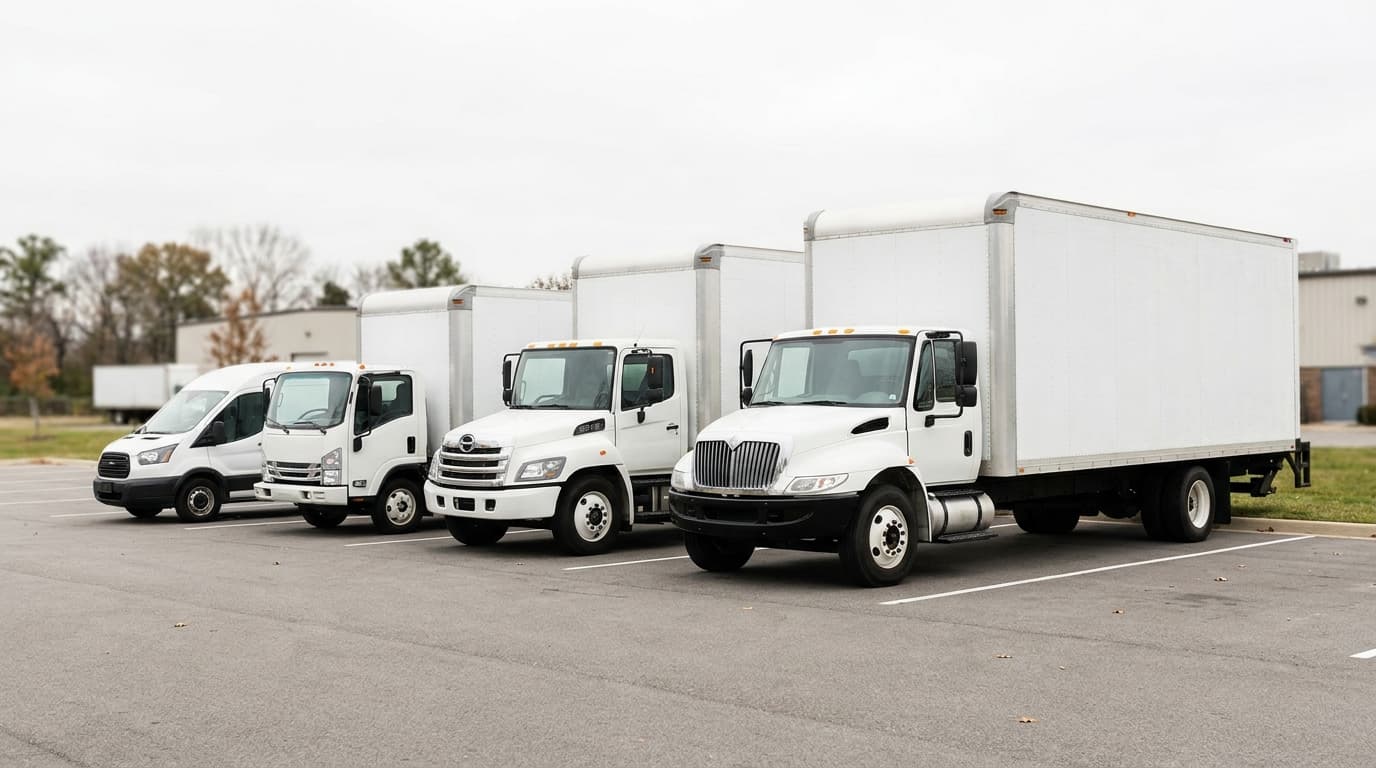
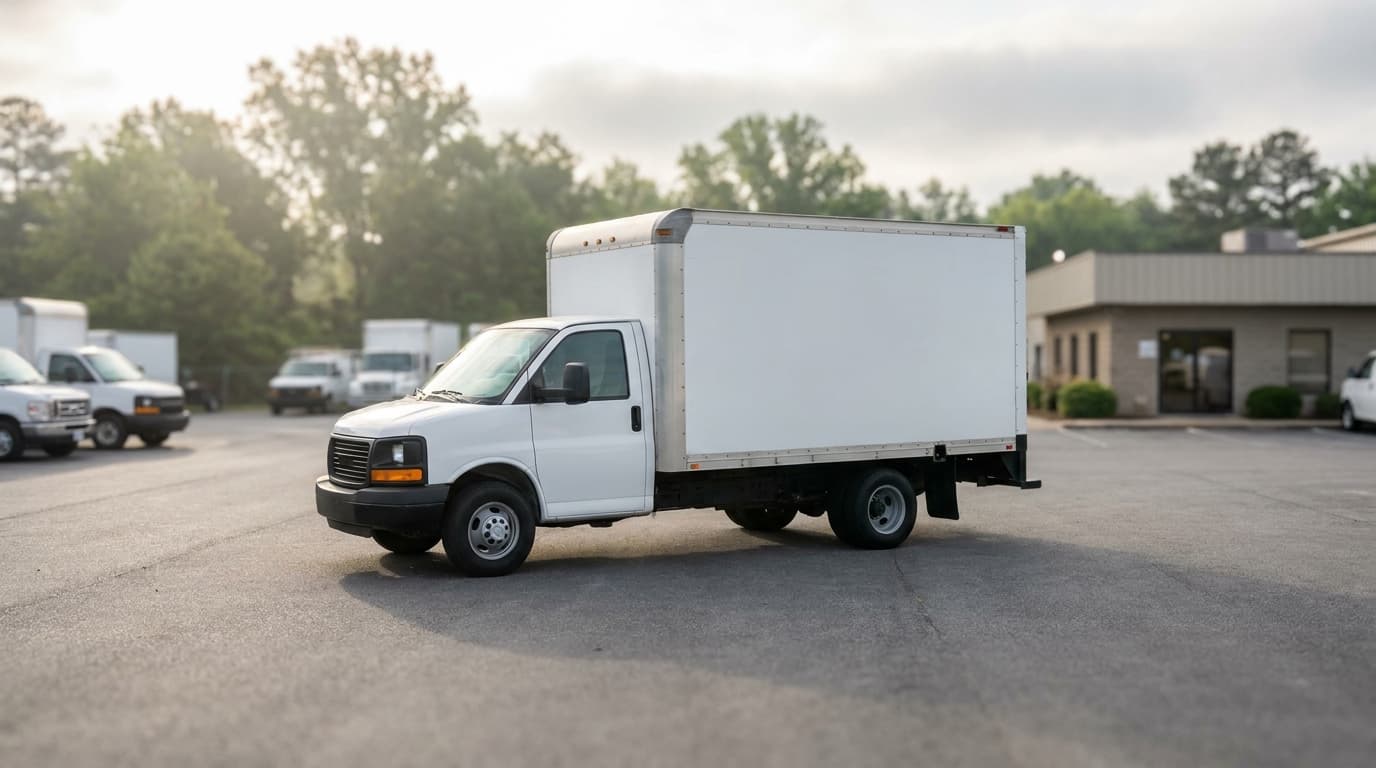
Every truck size that rental companies offer to regular consumers, from a cargo van all the way up to the largest 26-foot box truck, is designed to be driven on an ordinary, everyday driver's license. The 26-footer is deliberately the biggest truck in the consumer lineup precisely because it sits just under the threshold where commercial licensing rules would kick in. That's not an accident; it's why the fleets top out where they do.
So if you have a valid, non-expired driver's license from your home state or province, you are legally cleared to drive the truck. You don't need a CDL, a special endorsement, or any test beyond the standard license you already hold.
A few practical notes:
- Your license must be current. An expired license won't be accepted, so check the date before pickup day. This is a small detail that trips up more people than you'd think.
- Bring the physical card. A photo of your license on your phone generally won't satisfy the counter; they need to see and verify the real thing.
- A big truck still drives differently. No special license doesn't mean no learning curve. A 26-foot truck is taller, wider, heavier, and slower to stop than your car. If you've never driven one, read our guide on how to drive a moving truck before you set off. The rules are easy, but the vehicle deserves respect.
Payment: credit card, debit card, and deposits
Here's where requirements tighten up, and where a little planning saves a lot of hassle.
A credit card is the easiest way to pay. Every major company accepts one, and it's the smoothest path through the counter. The rental is authorized against the card, any hold or deposit is placed on it, and you're on your way.
Debit cards are often accepted, but with strings attached. Many companies take a debit card, but paying with one can trigger extra requirements: a larger refundable deposit or hold on your account, an additional form of ID, and sometimes a credit check to verify you. Because a debit hold pulls real money out of your available balance (rather than just reserving credit), make sure you have enough cushion in the account to cover both the rental and the deposit.
One-way rentals are frequently stricter. When you pick up in one city and drop off in another, companies tend to apply tighter payment and verification rules than they do for a local round-trip: more scrutiny on debit cards, sometimes a required credit card, and larger deposits. If you're planning a long-distance move, this is worth confirming early. Our guide on one-way vs. round-trip truck rental explains the broader differences between the two.
As always: the exact deposit amounts, which cards are accepted, and whether a debit card triggers a credit check all vary by company and location. Ask specifically when you reserve, so the amount held on your card on pickup day isn't a surprise.
Adding an extra driver
Planning to split the driving with a partner, friend, or family member? In most cases, an additional driver has to be added to the rental agreement in person, and they'll need to be physically present at the counter with their own valid driver's license so it can be verified.
You generally can't add someone to the contract remotely or after the fact, and letting an unlisted person drive the truck can void your coverage if anything goes wrong. So if two people are sharing the wheel on a long haul, both should plan to be at pickup with license in hand. Whether an extra driver costs anything, and how many you can add, varies by company and location, one more thing to confirm when you book.
Renting with an international or foreign license
If you're moving with a driver's license issued outside the country, you can often still rent, but this is an area where policies vary widely, so confirm the details directly with the company well before your move date.
Some companies accept a valid foreign license on its own; others may ask for an International Driving Permit (IDP) alongside your home-country license, or apply additional verification. Language and format matter too: a license that isn't in the local language may need an IDP or an official translation to be accepted. Because there's no single universal rule here, the safest move is to call ahead, explain exactly which country issued your license, and ask what they require. Don't leave it until you're standing at the counter.
What to bring to the counter
Pack these in an easy-to-reach spot on pickup day so you're not digging through boxes:
- Your valid, non-expired driver's license. The physical card, not a photo of it.
- The credit card (or debit card) in your name that you'll pay with. Ideally the same one used to book, with room for the rental plus any deposit or hold.
- Your reservation details: confirmation number, or the email/app showing your booking.
- A second form of ID if you're paying by debit or renting one-way, since these often require extra verification. A passport or another government-issued ID is a safe backup.
- Any additional driver, in person, with their own valid license if someone else will drive.
- Your insurance decision, already made. Know before you arrive whether you're adding the company's protection (more on this next).
- For an international license: your home-country license plus an IDP or translation if the company asked for one.
Confirm the exact list for your rental when you book — because, one final time, it varies by company and location.
The insurance decision you'll make at the counter
One requirement isn't a document at all. It's a decision. At pickup, you'll be asked whether you want to add the company's protection products, and this catches a lot of renters off guard.
Here's the part worth knowing in advance: your personal auto insurance and your credit card's rental coverage usually do not extend to a moving truck. Both are typically written for passenger cars, and box trucks are commonly excluded. That means the rental company's own coverage is often your only real protection, which makes this a decision you don't want to make cold, under pressure, with a line forming behind you.
Sort it out before you go. Read our moving truck insurance explained guide, then call your own insurer and card issuer to confirm what they cover. Walk in already knowing your answer, and the counter question becomes a formality instead of a gamble.
The bottom line
The requirements to rent a moving truck are refreshingly short: be old enough (commonly 18, but it varies), hold a valid regular driver's license (no CDL needed, even for the 26-footer), and bring a payment method that clears the company's rules (a credit card is easiest; debit and one-way rentals can mean extra deposits and ID). Add any second driver in person, sort your insurance decision ahead of time, and confirm the specifics, which always vary by company and location, when you book.
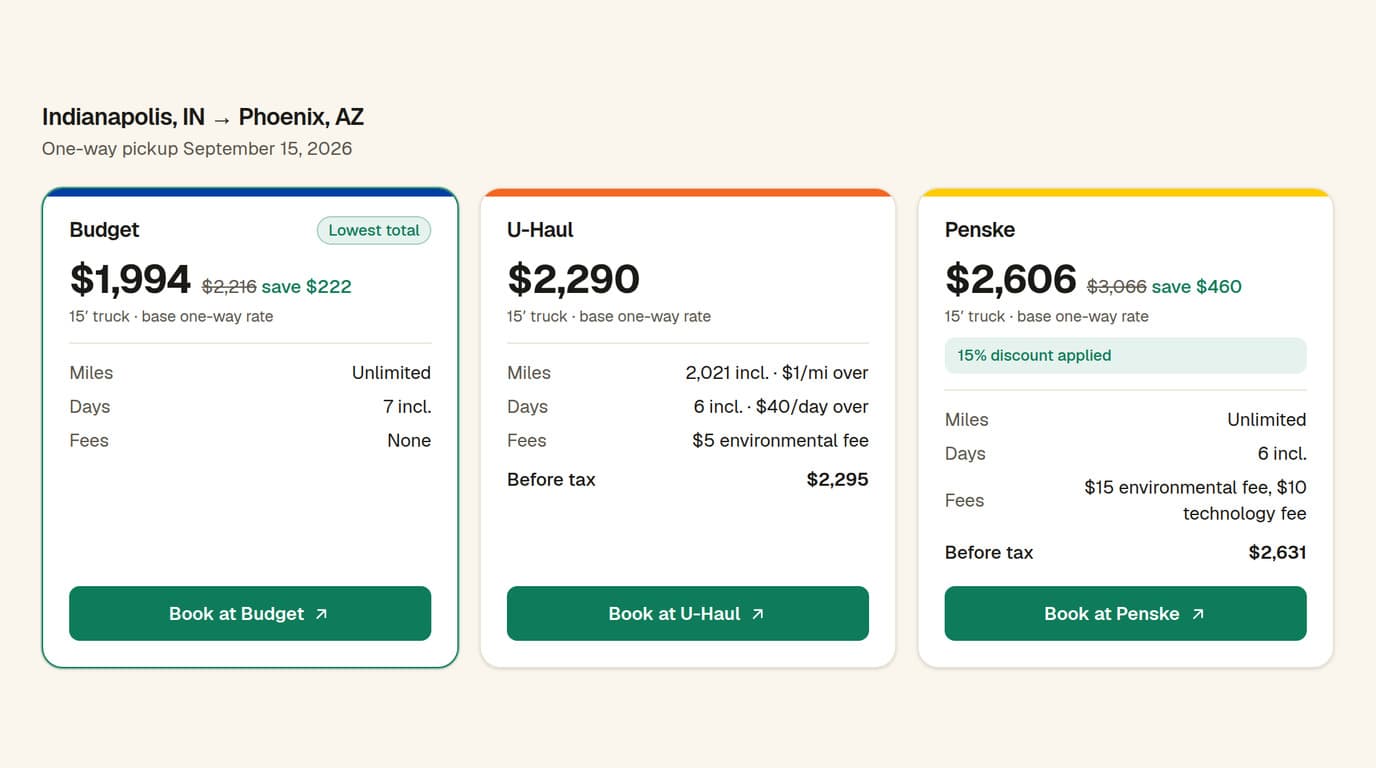
Meet those, and you're cleared to drive. Ready for the whole process, start to finish? Read how to rent a moving truck, then compare U-Haul, Penske, and Budget for your move.
Not sure which truck to book?
Answer two quick questions and get a size recommendation, plus a side-by-side of how U-Haul, Penske, and Budget stack up.