Moving Truck vs. Moving Container: Which Should You Use?
One you drive on a deadline; the other gets dropped in your driveway to load whenever you like. Here's an honest, side-by-side look at rental trucks versus portable moving containers. The real costs, the trade-offs, and which one wins for your move.
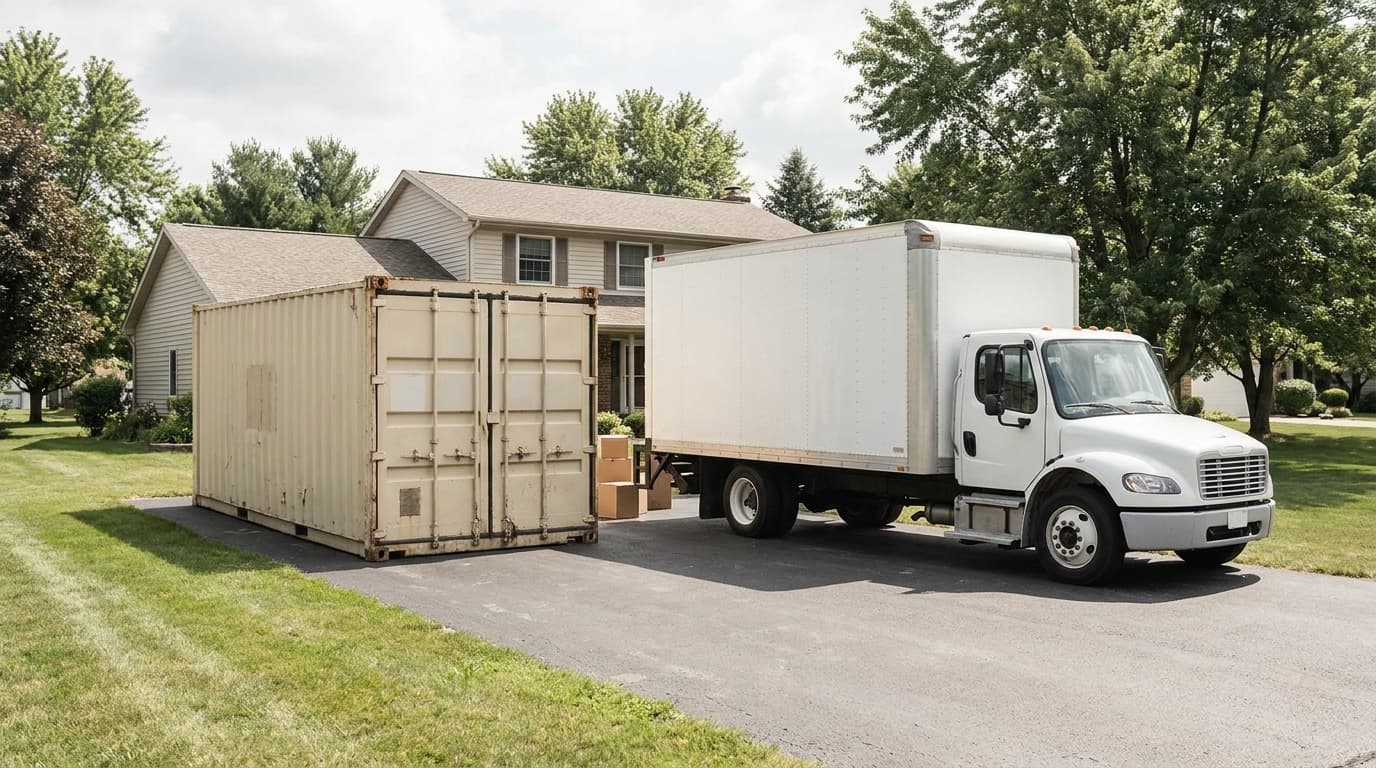
When people picture a DIY move, they picture a rental truck: you back it up to the door, load it, and drive it yourself. But there's a second option that's grown up alongside it: the portable moving container. Instead of you fetching the vehicle, a company drops a storage container in your driveway, leaves it there for days or weeks while you load at your own pace, then comes back and hauls it to your new place (or into storage).
Both get your stuff from A to B without hiring a full-service crew. But they feel completely different to actually use, and they cost differently too. This guide lays out how each one works, what drives the price, and which one is the better fit depending on your move.
The short version
If you only read one section, read this:
- Rental truck is usually the cheapest and fastest way to move yourself. You drive it, you load it on the rental clock, and your things arrive the moment you do. The catch: you drive a big unfamiliar vehicle, and the meter is running on a deadline.
- Moving container trades money and speed for convenience and flexibility. No driving, no deadline-day scramble. You load whenever you have time over several days, and the container doubles as storage. The catch: it costs more, and transit takes longer, so your stuff shows up days after you do.
- Pick a truck for local moves, tight budgets, and anyone comfortable driving who wants their belongings to arrive same-day.
- Pick a container for long-distance moves, flexible or messy timelines, gaps between homes, or anyone who'd rather not get behind the wheel of a 20-footer.
Everything below is the detail behind those four points.
How a rental truck works
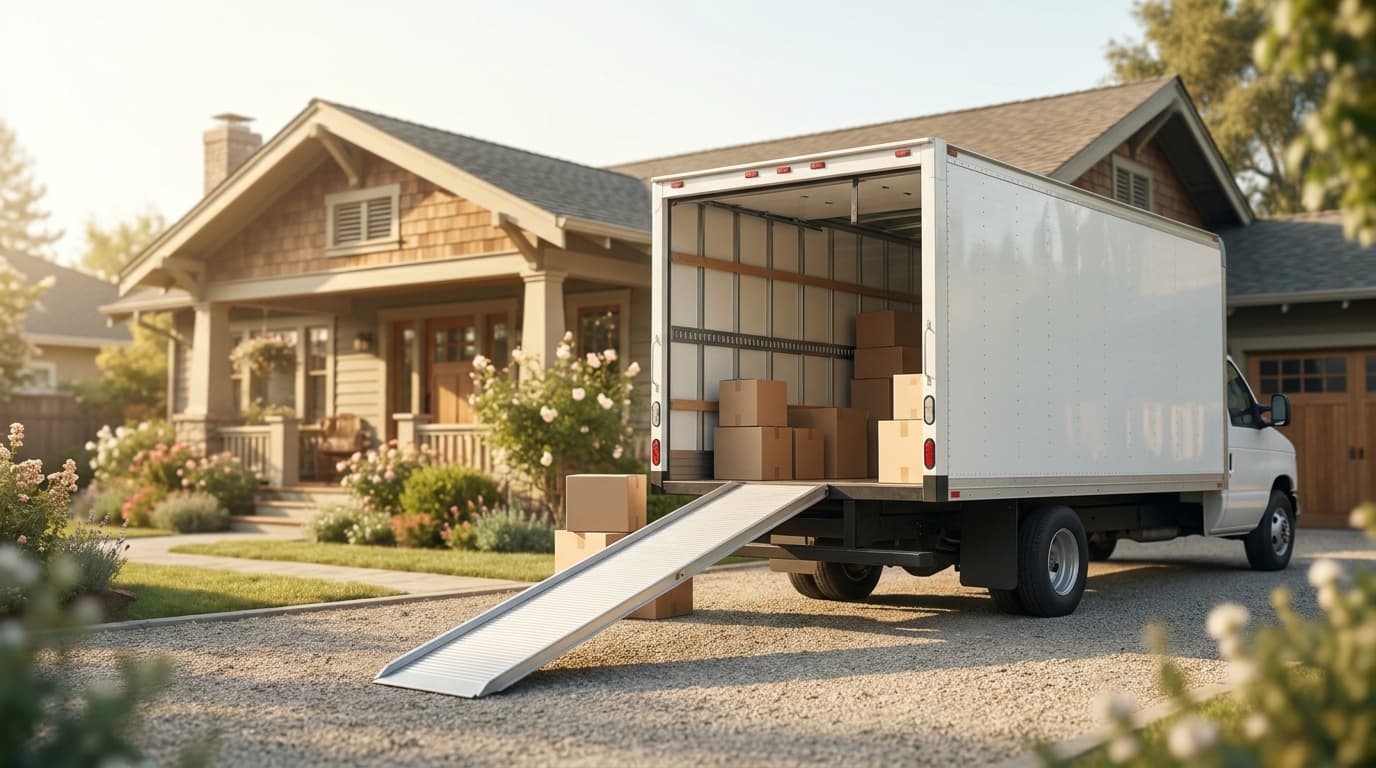
You reserve a truck from a rental company, pick it up on moving day, and drive it yourself. You load it, drive it to the destination, unload it, and return it, either to the same location (a round-trip rental) or a different one near your new home (a one-way rental).
The whole thing happens on a clock. A local round-trip is priced as a daily rate plus a per-mile charge, so you typically load, drive, and unload within a day or two. A one-way is a flat rate that bundles in a set number of days and miles for your route. Either way, the truck is a vehicle you're responsible for from pickup to return, and the timeline is compressed by design.
If the whole process is new to you, our step-by-step guide to renting a moving truck walks through sizing, booking, and pickup in plain English.
How a moving container works
A portable moving container is a weatherproof box. Think of a small storage unit that comes to you. The company delivers it to your curb or driveway and sets it down at ground level. You load it whenever it suits you, over a period that's usually measured in days, not hours. When you're ready, the company picks it up and either transports it to your new address or parks it in their warehouse until you want it delivered.
The defining feature is that you never drive anything. A professional driver handles the transport; you handle only the loading and unloading. Because the container sits at your place for a stretch, it also works as short-term storage on both ends of the move, which is handy when your move-out and move-in dates don't line up.
This is a whole category, not a single company. Nationally known names like PODS, U-Box (from U-Haul), and 1-800-PACK-RAT all operate in this space, and they differ in container sizes, coverage areas, and how storage and delivery windows are handled. As with trucks, it pays to get quotes from more than one before you commit.
What drives the cost of each
Neither option has a single sticker price. Both are quoted based on your specific move, but the levers are different.
For a rental truck, cost is mostly about:
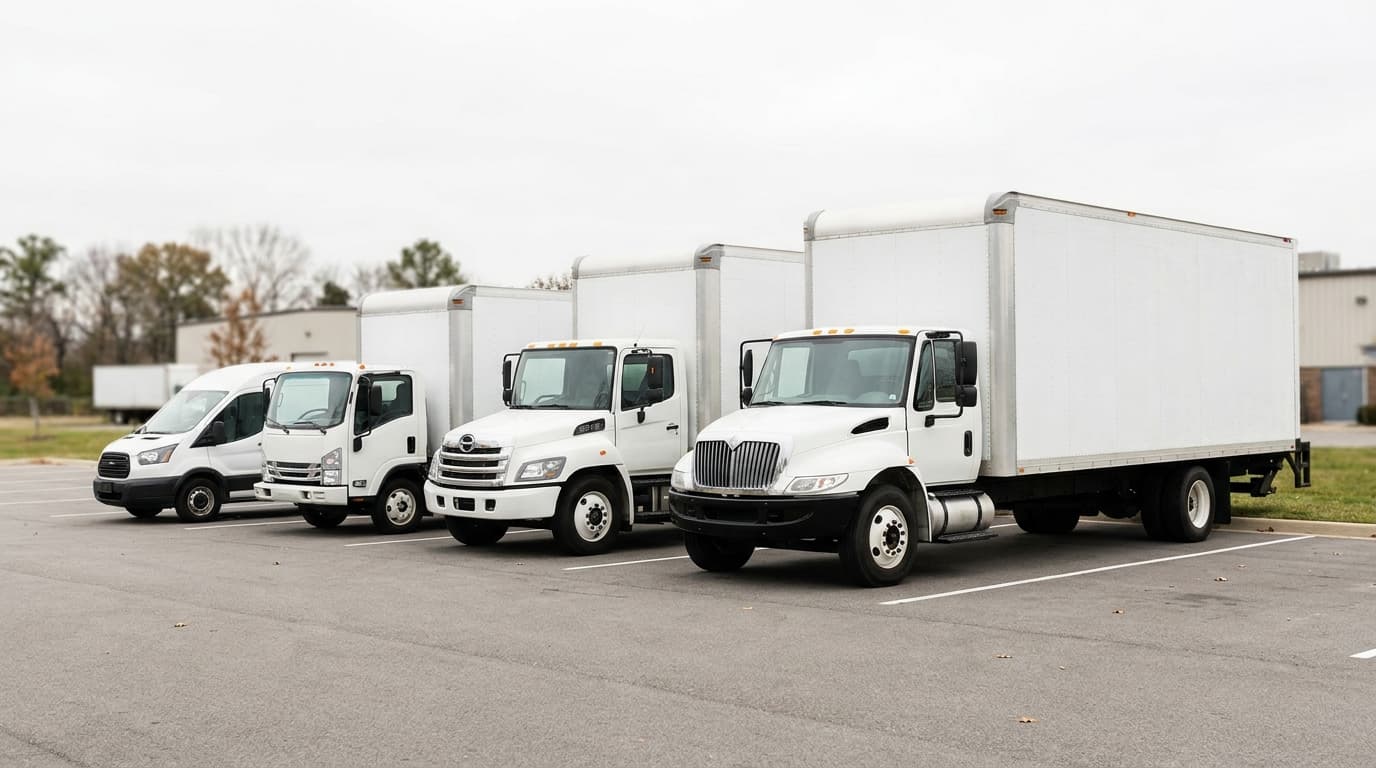
- Truck size. Bigger trucks cost more per day.
- Local vs. one-way. A round-trip is a daily rate plus per-mile; a one-way is a flat, distance-based rate.
- Distance and days. Extra miles or extra rental days add up quickly.
- Fuel. You buy it, and big trucks are thirsty; this is a real line item on a long haul.
- Add-ons. Damage protection, moving supplies, and equipment like dollies.
For a moving container, cost is mostly about:
- Container size and quantity. You may need more than one for a larger home.
- Distance. Like a one-way truck, longer moves cost more.
- How long you keep it. The monthly rental/storage clock is a core part of the price, not an afterthought.
- Delivery and pickup fees. At both the origin and the destination.
- Storage months. If the container waits in a warehouse between homes, that's billed too.
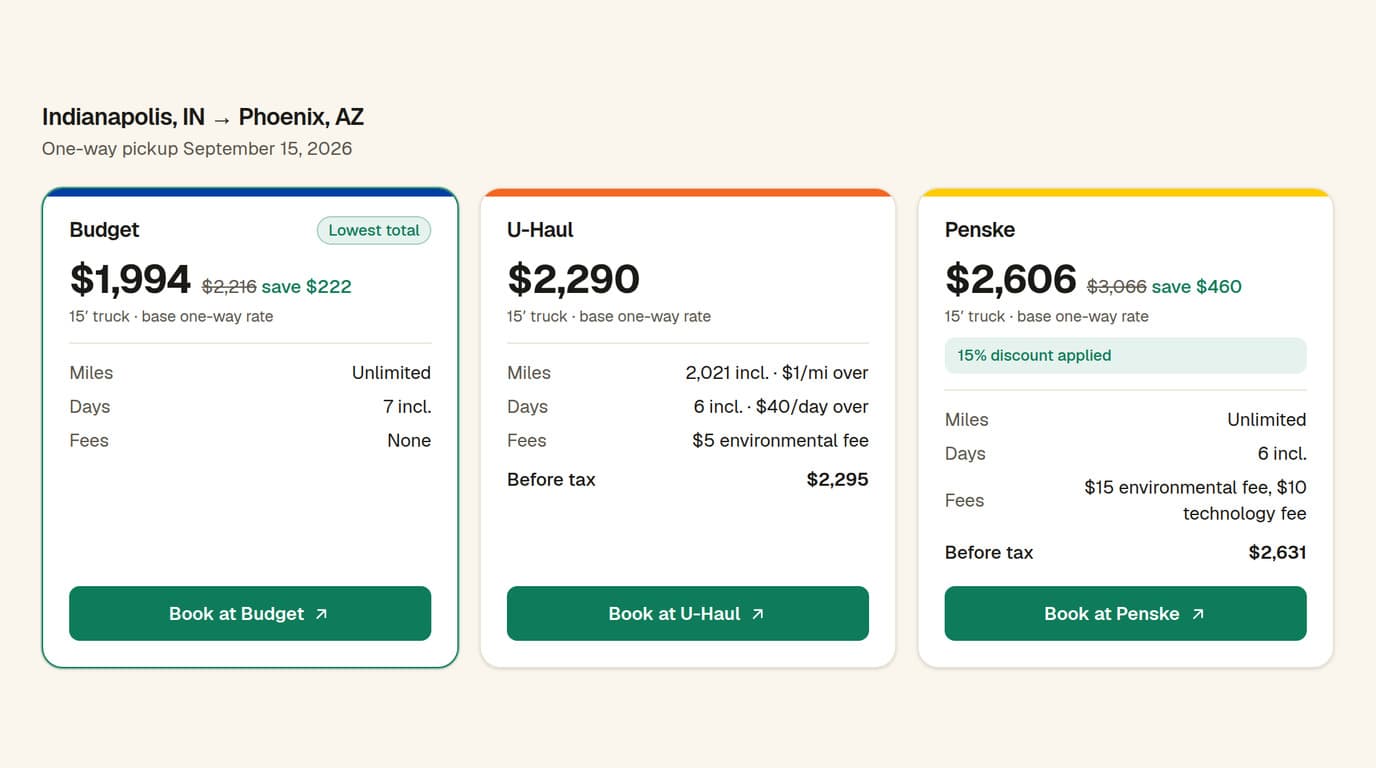
A useful rule of thumb: for the same move, a rental truck is usually the lower out-of-pocket number, while a container costs more but folds in transport labor and storage you'd otherwise pay for separately. To put real figures against your own move, try our moving cost estimator, and for a deeper breakdown of the truck side specifically, see our guide to what a moving truck rental actually costs.
The trade-offs, honestly
Here's the balanced version, without a thumb on the scale.
A rental truck wins on price and speed. It's typically the cheapest way to move yourself, and your belongings arrive exactly when you do, with no waiting for a container to catch up. It's also completely on-demand: pick up in the morning, unload by night.
But you pay for that in effort and pressure. You have to drive a large, unfamiliar vehicle, sometimes hundreds of miles. Loading, driving, and unloading are squeezed into a tight window while the rental clock ticks. And on a one-way move, once the truck's due, it's due. There's no built-in slack if life gets in the way.
A container wins on convenience and flexibility. Nobody in your household has to drive a truck. You load in relaxed sessions over several days (an hour after work here, a weekend afternoon there) instead of racing a deadline. The container is storage as well as transport, which quietly solves one of moving's most annoying problems: the gap when you've left the old place but can't get into the new one yet.
The cost of that comfort is money and time. Containers generally run pricier than a comparable truck rental, and because they travel on the company's freight schedule rather than your gas pedal, your stuff can arrive days after you do. If you need everything on day one, that lag is a genuine downside. Driveway space and any HOA or street-parking rules matter too, since the container has to physically sit somewhere for a while.
When each one wins
Reach for a rental truck when:
- You're moving locally or a manageable distance and want to be done in a day or two.
- Budget is the priority. It's usually the lowest-cost DIY option.
- You need your belongings to arrive the same day you do.
- You're comfortable driving a large vehicle (or have someone who is).
Reach for a moving container when:
- You're moving long-distance and don't want to drive a truck across the country.
- Your timeline is flexible, uncertain, or has a gap between homes.
- You'd rather load in low-pressure sessions over several days than in one marathon.
- You want built-in storage on one or both ends of the move.
- Nobody in the household wants to get behind the wheel of a big truck.
If your real question is whether to do it yourself at all, that's a different fork in the road. Our guide on renting a truck vs. hiring professional movers covers the DIY-versus-full-service decision.
Truck vs. container at a glance
| Factor | Rental truck | Moving container |
|---|---|---|
| Who drives | You | The company's driver |
| Typical cost | Usually lowest | Higher |
| Loading time | Tight, on the rental clock | Flexible, over days |
| When it arrives | Same day you do | Days later (freight schedule) |
| Built-in storage | No | Yes, on both ends |
| Best distance | Local to medium | Medium to long-distance |
| Effort level | High (drive + load) | Medium (load only) |
| Timeline control | Rigid deadline | Relaxed, flexible |
Treat the "typical cost" row as directional, not a promise. Both options are quoted per move, and the gap narrows or widens depending on distance, duration, and how much storage you need.
The bottom line
There's no universal winner here. There's a winner for your move. If you're driving a reasonable distance, watching your budget, and want your things there the day you arrive, a rental truck is almost always the faster, cheaper call. If you're crossing the country, juggling an uncertain timeline, or simply don't want to drive a 20-foot box, a moving container buys you real peace of mind. You just pay a bit more and wait a few extra days for delivery.
The smartest move is to price both for your actual route and dates before deciding. Start with our moving cost estimator to see the numbers side by side, then compare truck options across the major rental companies if the truck route looks right for you.
Not sure which truck to book?
Answer two quick questions and get a size recommendation, plus a side-by-side of how U-Haul, Penske, and Budget stack up.